

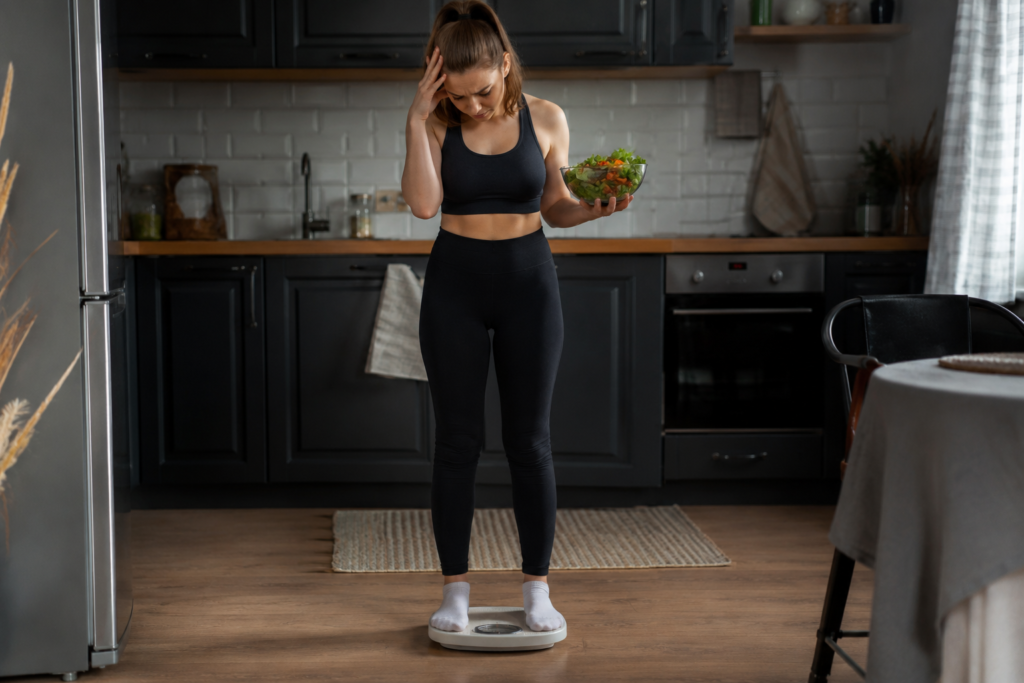
Have you ever stepped on the scale after weeks of dieting only to see the number go up instead of down? You’re not alone. Millions of people struggle with the frustrating feeling of doing “everything right” while still gaining weight.
In fact, research suggests that many adults underestimate how many calories they consume daily, even when trying to eat healthy. That’s one major reason people start asking: why am I not losing weight even after cutting calories, exercising, and avoiding junk food?
The truth is, weight gain during dieting can happen for many hidden reasons. Some are physical, others are emotional, and many are surprisingly common. The good news? Once you identify the real issue, making progress becomes much easier.
This guide breaks down the most common causes of weight gain while dieting and explains what you can realistically do to finally see results.
Understanding Why Dieting Sometimes Fails
Dieting sounds simple in theory:
- Eat less
- Move more
- Lose weight
But the human body is far more complex.
Your metabolism, hormones, stress levels, sleep quality, and even hydration can influence your weight. Sometimes your body may hold onto water, slow your metabolism, or increase hunger signals without you realizing it.
That’s why crash diets and extreme calorie restriction often backfire.
H2: Why Am I Not Losing Weight Even in a Calorie Deficit?
One of the biggest reasons people struggle is that they may not actually be in a true calorie deficit.
Hidden Calories Add Up Quickly
Even healthy foods can contain more calories than expected.
Common hidden calorie sources include:
- Cooking oils
- Salad dressings
- Sugary coffee drinks
- Healthy snacks
- Nuts and nut butters
- Smoothies
- Restaurant meals
For example, a single tablespoon of olive oil contains around 120 calories. Many people unknowingly use several tablespoons per meal.
Portion Sizes Are Often Misjudged
Studies repeatedly show that most people underestimate portion sizes.
You may think you’re eating 1,800 calories when you’re actually eating 2,300.
Using a food tracking app or kitchen scale for a few weeks can reveal surprising patterns.
Healthy Foods Can Still Cause Weight Gain
Foods labeled as:
- organic
- gluten-free
- high-protein
- keto-friendly
- natural
can still be calorie-dense.
Healthy eating matters, but calorie balance still plays a role in fat loss.
H2: Stress Could Be Preventing Weight Loss
Stress is one of the most overlooked reasons behind stubborn weight gain.
When stress levels rise, the body releases cortisol — a hormone linked to fat storage, cravings, and emotional eating.
H3: Why Stress Makes You Gain Weight

High cortisol levels can:
- Increase appetite
- Trigger sugar cravings
- Slow recovery
- Disrupt sleep
- Encourage belly fat storage
Many people also eat emotionally without realizing it.
After a stressful day, even small snacks can add hundreds of extra calories.
Signs Stress May Be Affecting Your Weight
- Constant cravings
- Fatigue
- Poor sleep
- Mood swings
- Nighttime snacking
- Lack of motivation
Simple stress-management habits can help:
- Walking daily
- Meditation
- Journaling
- Deep breathing
- Reducing screen time before bed
H2: Sleep Problems and Weight Gain
Poor sleep can completely disrupt weight loss.
Research shows that sleep deprivation affects hunger hormones like ghrelin and leptin.
When you don’t sleep enough:
- Hunger increases
- Cravings rise
- Energy drops
- Workouts suffer
- Fat burning slows
H3: How Much Sleep Helps Weight Loss?
Most adults benefit from:
- 7–9 hours of quality sleep
Improving sleep quality may help reduce cravings naturally.
Helpful sleep habits include:
| Habit | Benefit |
| Avoid screens before bed | Better melatonin production |
| Keep a regular schedule | Supports hormones |
| Reduce caffeine late in the day | Improves sleep depth |
| Sleep in a cool room | Better recovery |
H2: Hormonal Issues That Can Affect Weight
Sometimes weight gain is not just about calories.
Certain hormonal conditions may make fat loss harder.
Common Hormonal Causes
- Hypothyroidism
- PCOS
- Insulin resistance
- Menopause
- High cortisol levels
Symptoms to Watch For
- Constant fatigue
- Hair thinning
- Brain fog
- Irregular periods
- Intense cravings
- Rapid unexplained weight gain
If these symptoms sound familiar, speaking with a healthcare professional may help identify underlying issues.
H2: Water Retention Can Look Like Fat Gain
Sometimes the scale goes up even when you’re losing fat.
This often happens because of water retention.
Causes of Temporary Water Weight
- High sodium intake
- Hormonal changes
- Intense workouts
- Stress
- Increased carbohydrate intake
A few pounds of fluctuation is completely normal.
That’s why relying only on the scale can be misleading.
Instead, also track:
- Waist measurements
- Energy levels
- Progress photos
- Clothing fit
H2: Why Exercise Alone May Not Be Enough
Many people overestimate how many calories exercise burns.
For example:
| Activity | Approximate Calories Burned |
| 30-minute walk | 120–180 |
| Moderate gym session | 250–400 |
| Running 30 minutes | 300–500 |
It’s easy to eat back those calories quickly.
H3: Common Exercise Mistakes
- Rewarding workouts with treats
- Only doing cardio
- Not building muscle
- Exercising inconsistently
- Overtraining without recovery
Strength training is especially important because muscle helps support metabolism.
H2: Emotional Eating and Mindless Snacking
Even healthy eaters sometimes snack unconsciously.
Mindless eating often happens while:
- Watching TV
- Working
- Driving
- Scrolling social media
Emotional Triggers for Overeating
- Stress
- Loneliness
- Boredom
- Anxiety
- Sadness
How to Reduce Emotional Eating
Try these simple strategies:
- Eat slowly
- Keep healthy snacks nearby
- Drink water before meals
- Avoid eating directly from packages
- Identify emotional triggers
Mindful eating can dramatically improve awareness around hunger and fullness.
H2: Why Extreme Diets Often Backfire
Very low-calorie diets may initially cause quick weight loss.
But over time, they can:
- Slow metabolism
- Increase cravings
- Reduce energy
- Cause muscle loss
- Trigger binge eating
H3: Sustainable Weight Loss Works Better
Healthy weight loss is usually:
- gradual
- consistent
- realistic
Experts often recommend aiming for:
- 1–2 pounds per week
H2: Why Am I Not Losing Weight Despite Eating Healthy?
This is one of the most searched questions online.
The answer is usually a combination of factors.
Possible Reasons Include
- Eating too many healthy calories
- Not enough protein
- Poor sleep
- Chronic stress
- Lack of movement during the day
- Hormonal imbalances
- Inconsistent tracking
- Weekend overeating
Even small habits repeated daily can influence weight significantly over time.
H2: Simple Science-Backed Tips That Actually Help
If you feel stuck, focus on small improvements instead of perfection.
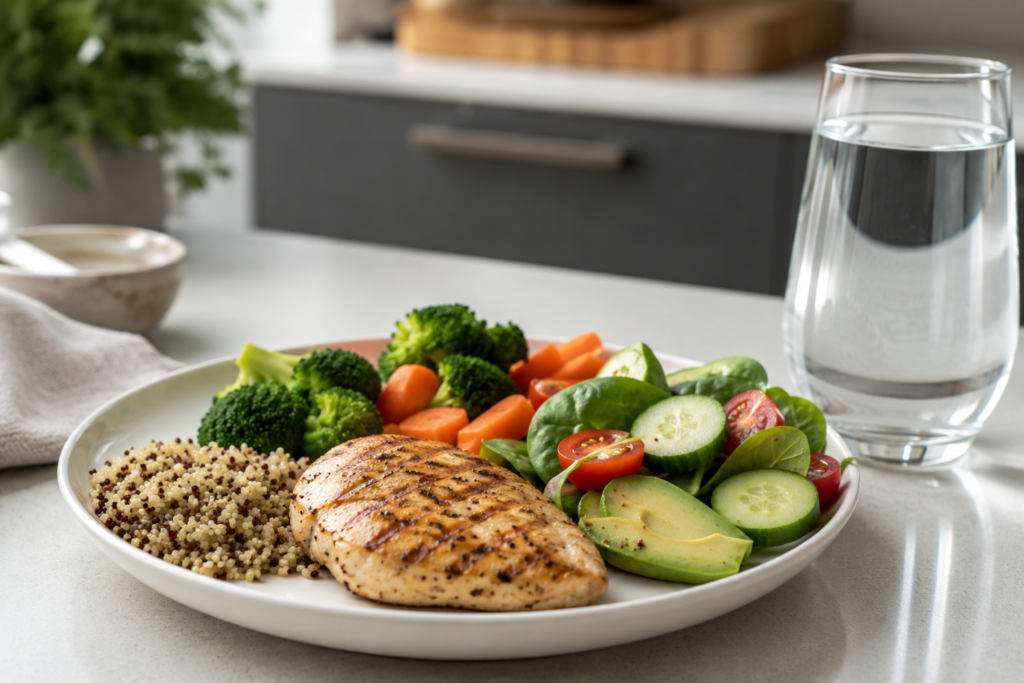
Practical Fat Loss Tips
1. Prioritize Protein
Protein may help:
- Increase fullness
- Support muscle
- Reduce cravings
Good protein sources include:
- Eggs
- Greek yogurt
- Fish
- Chicken
- Beans
- Lean meat
2. Walk More Daily
Daily movement matters more than many people realize.
Even an extra 5,000 steps per day can help increase calorie burn.
3. Lift Weights
Strength training supports metabolism and body composition.
4. Drink More Water
Sometimes thirst is confused with hunger.
5. Track Progress Beyond the Scale
Pay attention to:
- Mood
- Energy
- Measurements
- Fitness improvements
H2: Common Weight Loss Myths
Myth 1: Eating Less Always Means Losing Weight
Too little food may slow metabolism and increase cravings.
Myth 2: Carbs Are Always Bad
Whole-food carbohydrates can fit into a healthy diet.
Myth 3: You Must Exercise Every Day
Recovery and consistency matter more than perfection.
Myth 4: Fast Weight Loss Is Better
Rapid weight loss is often temporary.
H2: When Should You Seek Professional Help?
If you’ve consistently followed healthy habits for months without results, professional guidance may help.
A healthcare provider or registered dietitian can evaluate:
- Hormones
- Metabolism
- Nutritional deficiencies
- Medical conditions
- Medication side effects
Sometimes the issue is not a lack of effort — it’s missing information.
Conclusion
If you keep asking yourself why am I not losing weight, remember that weight loss is rarely just about willpower.
Stress, sleep, hormones, hidden calories, emotional eating, and unrealistic dieting strategies can all play a role.
The most important thing is to stop blaming yourself.
Sustainable progress comes from understanding your body, building healthy habits, and making realistic changes you can maintain long term.
Instead of chasing quick fixes, focus on consistency, balance, and gradual improvement. Small habits repeated daily often create the biggest transformations over time.
FAQ Section
Why am I gaining weight even though I eat healthy?
Healthy foods can still contain a lot of calories. Portion sizes, stress, sleep problems, and hormonal issues may also contribute.
Can stress stop weight loss?
Yes. High stress levels increase cortisol, which may lead to cravings, emotional eating, and fat storage.
Why does the scale go up after exercise?
Exercise can temporarily increase water retention and muscle inflammation, which may raise scale weight briefly.
How long does healthy weight loss take?
Most experts recommend losing 1–2 pounds per week for sustainable results.
Can poor sleep cause weight gain?
Yes. Poor sleep affects hunger hormones and may increase cravings and overeating.
Why am I not losing weight in a calorie deficit?
You may be underestimating calories, overestimating exercise, or dealing with stress, hormones, or water retention.
Do cheat meals ruin weight loss?
Occasional treats usually don’t ruin progress, but frequent overeating can slow results.
Is walking enough for weight loss?
Walking helps increase calorie burn and supports overall health, especially when combined with healthy eating habits.
Can hormones really affect body weight?
Yes. Conditions like hypothyroidism and PCOS can make weight loss more difficult.
What is the biggest mistake people make while dieting?
Extreme restriction is a common mistake because it often leads to cravings, burnout, and rebound weight gain.