

Always feeling tired even after sleeping well? Learn common reasons behind low energy, interrupted sleep, nighttime urination, stress, and wellness habits that may affect recovery and daytime vitality.
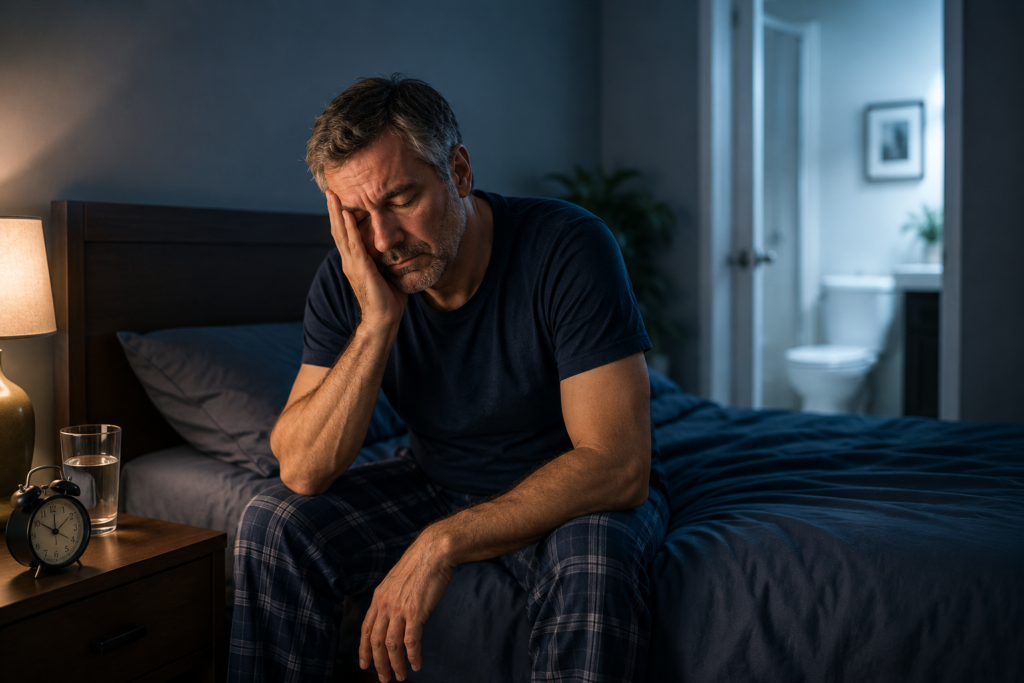
Why Do I Feel Tired All the Time Even After Sleeping Well?
Getting a full night’s sleep should leave you feeling refreshed. But for many adults — especially men over 40 — that’s not always the reality.
You may sleep 7 or 8 hours and still wake up:
- exhausted
- mentally drained
- foggy during the day
- low on motivation or focus
In many cases, the problem is not simply how long you sleep. It may be connected to sleep quality, nighttime interruptions, stress, or lifestyle habits that affect how your body recovers overnight.
Sleep Duration vs Sleep Quality
Sleeping Longer Doesn’t Always Mean Better Recovery
Many people focus only on the number of hours they sleep. But restorative sleep depends heavily on quality, not just duration.
Even small disruptions during the night can reduce deep sleep cycles that help the body recharge.
Poor sleep quality may lead to:
- daytime fatigue
- brain fog
- reduced focus
- irritability
- low motivation
Nighttime Interruptions Can Drain Your Energy
Waking Up During the Night Matters More Than You Think
One common issue many men experience is waking up multiple times during the night to use the bathroom.
Even brief awakenings can interrupt the body’s natural sleep rhythm and affect recovery.
Over time, interrupted sleep may contribute to:
- persistent tiredness
- low daytime energy
- poor concentration
- feeling unrefreshed in the morning
Nighttime Wellness and Aging
As men get older, changes in nighttime comfort and urinary patterns may become more noticeable.
Factors that may affect nighttime wellness include:
- hydration timing
- stress
- sleep habits
- bladder comfort
- prostate wellness changes associated with aging
Supporting better nighttime habits may help improve overall sleep consistency.
Stress and Mental Exhaustion
Your Body May Be Sleeping While Your Mind Stays Active
Stress can strongly affect how rested you feel.
Even after a full night in bed, ongoing stress may leave the body feeling mentally and physically drained.
Common signs include:
- waking up tired
- racing thoughts
- low mood
- afternoon crashes
- difficulty focusing
Modern lifestyles, work pressure, and screen exposure may all contribute to poor recovery.
Lifestyle Habits That May Affect Your Energy
Small Daily Habits Can Have a Big Impact
Some everyday habits may quietly reduce sleep quality and daytime vitality.
Examples include:
- caffeine too late in the day
- inconsistent sleep schedules
- heavy evening meals
- lack of movement
- too much screen time before bed
Improving nighttime routines may help support healthier energy levels naturally.
Natural Ways to Support Better Energy and Sleep Recovery
Focus on Long-Term Wellness Habits
If you constantly feel tired despite sleeping enough, these habits may help support better recovery:
Maintain a Consistent Sleep Schedule
Going to bed and waking up at the same time may help regulate your body clock.
Limit Evening Stimulation
Reducing bright screens and caffeine late at night may support deeper sleep.
Stay Physically Active
Regular movement may help improve sleep quality and daytime energy.
Support Nighttime Comfort
Many adults also focus on:
- hydration timing
- relaxation habits
- bladder comfort
- prostate wellness support
- improving nighttime routines
Small adjustments may sometimes make a noticeable difference over time.
When Persistent Fatigue Should Be Checked
Feeling tired occasionally is common. However, ongoing fatigue should not always be ignored.
If tiredness becomes severe, persistent, or interferes with daily life, it’s important to speak with a healthcare professional.
This article is for informational purposes only and is not medical advice.
Conclusion
Feeling tired all the time — even after sleeping well — is a frustrating experience that many people face, especially men over 40.
In many cases, the issue may be connected to poor sleep quality, nighttime interruptions, stress, or lifestyle habits that affect how well the body recovers overnight.
Focusing on better nighttime wellness, healthier routines, and sleep consistency may help support more stable energy levels and more refreshing mornings over time.