
Hair loss affects millions of people around the world, and it can happen to both men and women at different stages of life. Some people notice mild hair thinning, while others experience excessive shedding or visible bald spots. Because there are many possible causes, many people ask the same question: what is the best treatment for hair loss?
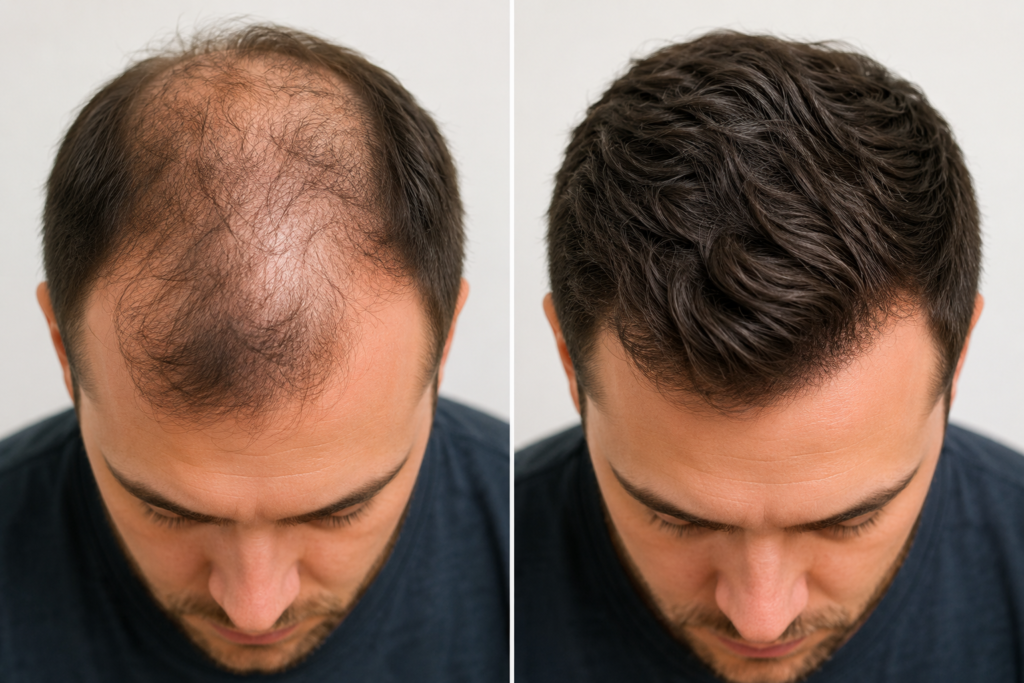
The truth is that there is no single solution that works for everyone. The best hair loss treatment depends on the cause of the problem, lifestyle habits, genetics, stress levels, nutrition, and scalp health.
In this guide, we’ll explain the most common causes of hair loss, the most effective treatments available today, natural ways to support hair growth, and what actually works according to experts and real-world experience.
What Causes Hair Loss?
Before choosing a treatment, it’s important to understand why hair loss happens in the first place. In many cases, hair thinning is linked to several factors combined together.
Genetics
Genetic hair loss is one of the most common causes of thinning hair. This type is often called androgenetic alopecia or pattern baldness. It can affect both men and women and usually develops gradually over time.
Stress and Poor Sleep
Chronic stress can negatively affect the hair growth cycle. Many people notice increased shedding after stressful periods, emotional pressure, or long-term sleep problems.
Stress-related hair loss is often temporary, but ignoring stress and recovery can make the situation worse.
Vitamin and Nutrient Deficiencies
Hair health depends on proper nutrition. Low levels of iron, zinc, vitamin D, protein, or biotin may contribute to weak hair, thinning, or excessive shedding.
Hormonal Changes
Hormonal imbalances can also trigger hair loss. This may happen during pregnancy, after childbirth, during menopause, or because of thyroid-related issues.
Harsh Hair Products and Heat Damage
Frequent heat styling, chemical treatments, tight hairstyles, and aggressive hair products may weaken the hair shaft and damage the scalp over time.
Best Medical Treatments for Hair Loss
People searching for the best treatment for hair loss often look for scientifically supported solutions. Some medical treatments may help reduce shedding and support hair regrowth in certain individuals.
Minoxidil
Minoxidil is one of the most widely known hair loss treatments. It is commonly used to support hair regrowth and slow down thinning hair.
Results vary from person to person, and consistency is usually important.
Finasteride
Finasteride is another treatment commonly discussed for male pattern hair loss. It works differently from topical solutions and is usually considered for specific cases.
Because treatments may have side effects or limitations, it is important to seek professional advice when needed.
Professional Scalp Treatments
Some people also explore professional options such as:
- Laser therapy
- PRP therapy
- Scalp treatments
- Dermatologist-recommended routines
The effectiveness depends on the individual case and the cause of hair loss.
learn more about natural hair loss solutions
Natural Ways to Reduce Hair Loss
Many people prefer starting with natural methods before trying stronger treatments. While natural approaches may not create overnight results, healthy habits can support stronger hair over time.
Improve Nutrition
A balanced diet rich in protein, healthy fats, vitamins, and minerals may help support healthy hair growth.
Foods commonly associated with hair health include:
- Eggs
- Fish
- Nuts
- Spinach
- Avocados
- Beans
Reduce Stress
Stress management is often overlooked in hair care. Activities such as exercise, meditation, better sleep habits, and reducing anxiety may help improve overall hair health.
Scalp Massage
Some people use scalp massage to improve scalp circulation and relaxation. While results vary, it can be a simple addition to a healthy hair routine.
Avoid Excessive Heat and Chemicals
Limiting heat styling and harsh treatments may reduce breakage and help protect thinning hair.
read more about scalp and hair health
Vitamins and Supplements for Hair Growth
Hair growth supplements have become increasingly popular in recent years. Many products contain ingredients such as:
- Biotin
- Collagen
- Zinc
- Keratin
- Vitamin D
- Plant extracts
While supplements are not magic solutions, some people include them as part of a broader hair care strategy.
When choosing supplements, it is generally better to look for:
- Transparent ingredient lists
- Real customer feedback
- Clear dosage information
- Reputable manufacturers
(discover ingredients commonly used for hair growth)
Some people also prefer researching products designed specifically for thinning hair and hair wellness support before making a decision.
compare hair loss support products
Can Stress Cause Hair Loss?
Yes, stress can contribute to hair shedding in some cases.
Physical stress, emotional pressure, poor sleep, and anxiety may interrupt the normal hair growth cycle. This condition is often temporary, but long-term stress can continue affecting hair quality and thickness.
This is one reason why improving sleep and recovery habits is often recommended alongside hair treatments.
find out what may help reduce hair shedding
How Long Does Hair Regrowth Take?
Hair regrowth usually takes time and consistency.
Some people may notice small improvements within a few months, while others require longer periods before seeing visible changes. Hair growth speed depends on factors such as:
- Age
- Genetics
- Nutrition
- Stress levels
- Hormones
- Overall health
Quick miracle promises should generally be approached carefully.
Best Daily Habits for Healthier Hair
If you want to support healthier hair naturally, these daily habits may help:
- Eat enough protein
- Improve sleep quality
- Reduce chronic stress
- Stay hydrated
- Avoid aggressive hair products
- Protect the scalp from damage
- Maintain a balanced lifestyle
Consistency is often more important than searching for instant results.
see daily hair support solutions
What is the best treatment for hair loss?
The best treatment depends on the cause of the hair loss. Some people benefit from medical treatments, while others improve through nutrition, stress management, and healthier hair care habits.
Can hair grow back after thinning?
In some cases, yes. Hair regrowth depends on the cause and how early the issue is addressed.
Does poor sleep affect hair growth?
Poor sleep and chronic stress may negatively affect hair health and increase shedding in some individuals.
What vitamins are important for hair growth?
Vitamins and nutrients commonly linked to hair health include biotin, vitamin D, iron, zinc, and protein.
(read a full hair supplement review)
Final Thoughts
Finding the best treatment for hair loss is not always about using a single product. In many cases, healthier habits, proper nutrition, stress reduction, scalp care, and evidence-based treatments work better together than relying on quick fixes.
Hair improvement often takes patience and consistency, but understanding the root cause is usually the first step toward healthier and stronger hair over time.