
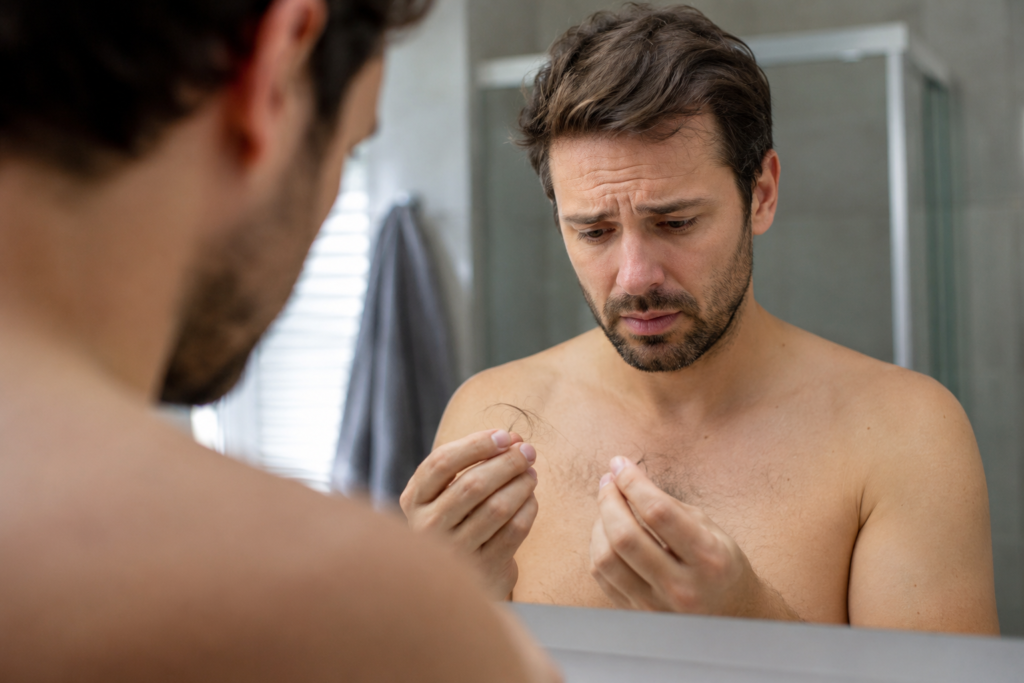
Hair loss can feel frustrating, stressful, and sometimes even scary. Many people notice extra hair in the shower or on their pillow and immediately wonder if they are going bald. The truth is that millions of men experience thinning hair earlier than expected.
That is exactly why searches for the best hair growth products for men continue to grow every year. But before spending money on expensive treatments, many people ask an important question:
Can vitamins and natural remedies actually help with hair loss?
The answer is yes — in some cases, they absolutely can.
While not every type of hair loss can be reversed naturally, certain vitamins, lifestyle changes, and science-backed remedies may help strengthen hair, reduce shedding, and support healthier growth.
Let’s break down what really works and what is mostly hype.
What Causes Hair Loss in Men?
Hair loss is not always caused by one single issue. In many cases, several factors work together.
Common causes include:
- Genetics
- Stress
- Poor nutrition
- Hormonal imbalance
- Lack of sleep
- Harsh hair products
- Scalp inflammation
- Vitamin deficiencies
Understanding the root cause matters because the best treatment depends on the reason behind the shedding.
For example, someone with a vitamin deficiency may respond well to supplements, while someone with genetic hair loss may need additional support options.
Best Hair Growth Products for Men: Do Natural Options Help?
Many natural remedies can support healthier hair growth when used consistently.
However, expectations should remain realistic.
Natural solutions usually work gradually. They help create a healthier environment for hair follicles rather than delivering overnight miracles.
Still, thousands of men report visible improvements after improving their nutrition and scalp care routines.
Essential Vitamins That May Support Hair Growth
Biotin: The Most Popular Hair Vitamin
Biotin is one of the most talked-about nutrients for hair growth.
This B vitamin helps the body produce keratin, which is a key protein found in hair.
People with low biotin levels may experience:
- Weak hair
- Brittle nails
- Increased shedding
Natural Sources of Biotin
- Eggs
- Almonds
- Sweet potatoes
- Spinach
- Salmon
Vitamin D and Hair Follicle Health
Low vitamin D levels have been linked to several forms of hair thinning.
Vitamin D may help stimulate dormant hair follicles and support the natural growth cycle.
Signs of low vitamin D can include:
- Fatigue
- Muscle weakness
- Mood changes
- Excessive shedding
Getting moderate sunlight exposure and eating vitamin D-rich foods may help support healthier hair.
Iron Deficiency and Hair Loss
Iron deficiency is another major cause of hair shedding.
Without enough iron, the body struggles to deliver oxygen to hair follicles efficiently.
Foods rich in iron include:
| Food | Iron Content Benefit |
| Red meat | High absorption |
| Lentils | Plant-based option |
| Spinach | Nutrient-rich |
| Pumpkin seeds | Easy snack source |
Zinc for Stronger Hair
Zinc plays a role in tissue repair and scalp health.
Low zinc levels may contribute to:
- Hair thinning
- Dry scalp
- Slow regrowth
Many science-backed formulas marketed as effective support options include zinc because it supports follicle function.
Powerful Natural Remedies for Hair Loss
Rosemary Oil: The Trending Natural Solution
Rosemary oil has become incredibly popular for hair growth.
Some studies suggest it may perform similarly to certain conventional hair treatments over time.
People often use it by:
- Mixing a few drops with a carrier oil
- Massaging it into the scalp
- Leaving it for 30 minutes before washing
Consistency matters more than quantity.
Scalp Massage May Improve Circulation
Daily scalp massage may help increase blood flow to hair follicles.
Benefits may include:
- Reduced tension
- Better circulation
- Improved scalp health
Even five minutes daily can become a healthy routine.
Aloe Vera for Scalp Irritation
A healthy scalp is essential for healthy hair.
Aloe vera may help calm irritation and reduce dryness that can interfere with growth.
It is commonly used in many trusted solution products because of its soothing properties.
Lifestyle Habits That Secretly Make Hair Loss Worse
Sometimes the problem is not what you are missing — it is what you are doing daily.
High Stress Levels
Stress can push hair follicles into a resting phase.
Several months later, sudden shedding may appear.
Ways to reduce stress naturally:
- Better sleep
- Exercise
- Meditation
- Reducing screen time
- Spending time outdoors
Aggressive Hair Styling
Tight hairstyles, harsh chemicals, and excessive heat can damage follicles over time.
Try to avoid:
- Daily straightening
- Tight ponytails
- Harsh bleaching
- Excessive hair pulling
Poor Diet Choices
Crash diets and processed foods may reduce important nutrients needed for healthy hair growth.
Your hair often reflects your overall health.
Best Hair Growth Products for Men: What to Look For
Not all products are created equally.
When comparing products, look for ingredients supported by research.
- Biotin
- Rosemary oil
- Saw palmetto
- Caffeine
- Zinc
- Keratin
- Niacin
Many users are now trying science-backed formula options that combine several supportive ingredients together.
Common Hair Loss Mistakes Most Men Make
Expecting Overnight Results
Hair growth takes time.
Most natural approaches require at least 3–6 months of consistency before visible improvement appears.
Ignoring the Scalp
Healthy hair starts with scalp health.
Using harsh shampoos or ignoring buildup may slow progress.
Switching Products Too Quickly
Many people stop treatments before giving them enough time to work.
Patience matters.
A Simple Hair Growth Routine for Beginners
If you feel overwhelmed, start simple.
Morning Routine
- Eat a protein-rich breakfast
- Stay hydrated
- Take recommended vitamins if needed
Evening Routine
- Gentle scalp massage
- Use mild shampoo
- Apply rosemary oil 2–3 times weekly
Some men also use trusted hair support options alongside their daily scalp care routine to support thicker-looking hair naturally.
Small consistent habits often outperform extreme routines.
When Should You See a Doctor?
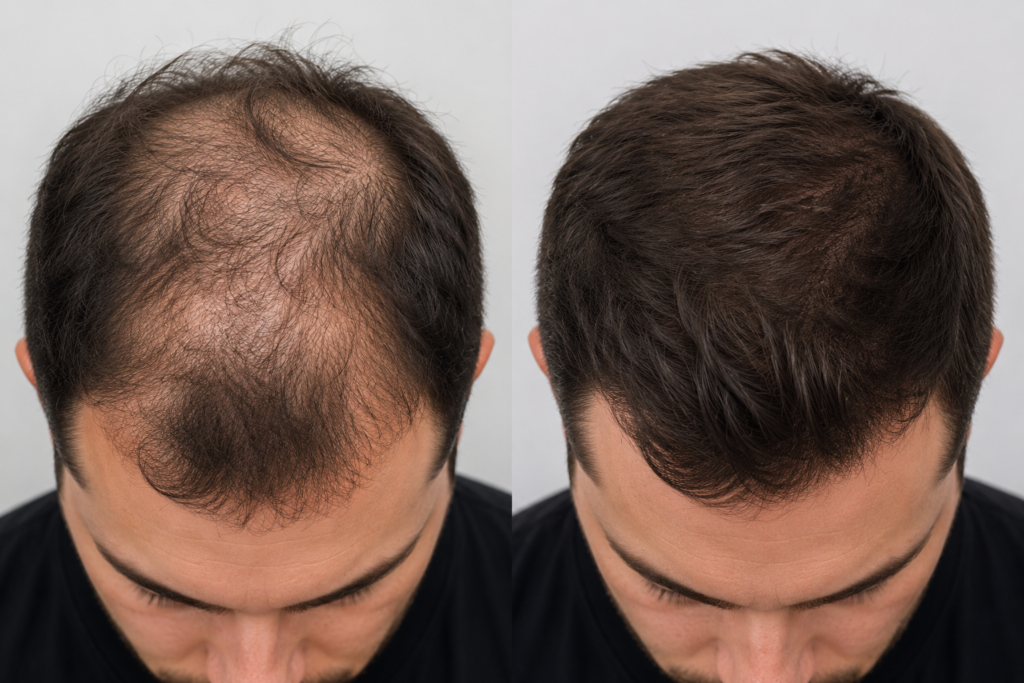
Natural remedies may help mild or moderate shedding, but sudden or severe hair loss should be evaluated professionally.
Seek medical advice if you notice:
- Bald patches
- Sudden rapid shedding
- Itching or pain
- Hair loss with fatigue
- Significant thinning within weeks
Sometimes hair loss signals underlying health issues.
Conclusion
Hair loss can feel emotional, but it is important to remember that many men experience the same struggle.
The good news is that vitamins, healthier habits, and natural remedies may genuinely help improve hair strength and reduce shedding over time.
The key is consistency, patience, and choosing the best hair growth products for men that focus on scalp health, nutrition, and long-term support instead of unrealistic promises.
Small changes today may lead to healthier, fuller-looking hair in the future.