

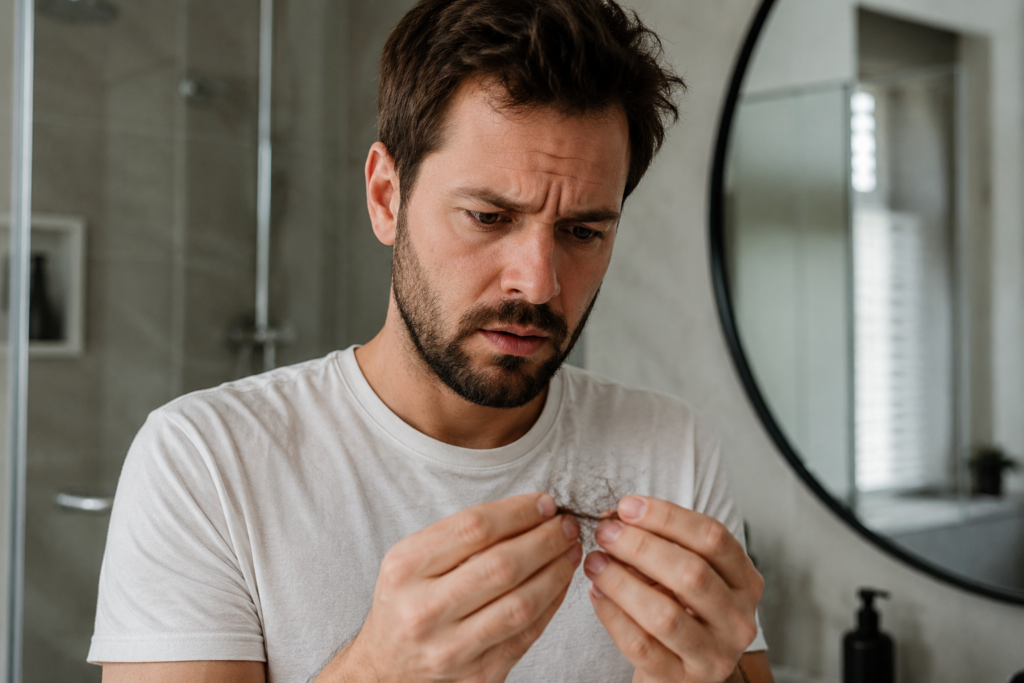
Hair loss can feel terrifying — especially when you suddenly notice more hair in the shower drain, on your pillow, or stuck in your comb. Millions of men experience hair thinning every year, yet most don’t understand why it happens or what they can actually do about it.
The good news? In many cases, hair loss can be slowed down, managed, or even improved with the right thinning hair treatment for men.
Whether your hairline is slowly receding or you’re seeing unexpected shedding, understanding the root cause is the first step toward fixing the problem.
What Causes Hair Loss in Men?
Hair loss is rarely caused by one single factor. Usually, it’s a combination of genetics, hormones, lifestyle, and health habits.
Common Causes of Male Hair Loss
Genetics
The most common reason is hereditary hair loss, also called androgenetic alopecia. If men in your family experienced thinning hair, there’s a higher chance you may too.
Stress and Anxiety
Stress can push hair follicles into a resting phase, causing noticeable shedding weeks later.
Signs stress may be affecting your hair include:
- Sudden excessive shedding
- Patchy thinning
- Increased fatigue
- Poor sleep quality
Poor Nutrition
Your hair needs nutrients to grow properly. Deficiencies in iron, zinc, protein, or vitamin D can weaken hair follicles.
Hormonal Changes
Hormones like DHT (dihydrotestosterone) can shrink hair follicles over time, especially in men genetically sensitive to it.
Harsh Hair Products
Some shampoos and styling products contain ingredients that irritate the scalp and damage hair strength.
Early Signs You Shouldn’t Ignore
Catching hair loss early can make a huge difference.
Warning Signs of Thinning Hair
- More hair falling during showers
- Visible scalp under bright light
- Receding hairline
- Thinner ponytail or crown area
- Excessive hair on pillows or clothing
Many men ignore these signs until thinning becomes difficult to reverse.
Best Thinning Hair Treatment for Men
Finding the right thinning hair treatment for men depends on the underlying cause.
Some treatments work best for hormonal hair loss, while others target scalp health or nutritional deficiencies.
Science-Backed Treatments That Actually Help
Improve Your Scalp Health
Healthy hair starts with a healthy scalp.
Focus on:
- Gentle sulfate-free shampoos
- Regular scalp cleansing
- Avoiding excessive heat styling
- Scalp massage for circulation
Many users are now trying a science-backed formula designed to nourish follicles while reducing breakage naturally.
Some ingredients have strong research behind them.
Look for:
| Ingredient | Potential Benefit |
| Biotin | Supports hair structure |
| Caffeine | May stimulate follicles |
| Rosemary Oil | Improves circulation |
| Saw Palmetto | May reduce DHT effects |
| Niacin | Supports scalp blood flow |
Reduce Stress Levels
Stress management may improve hair growth over time.
Helpful habits include:
- Better sleep
- Exercise
- Meditation
- Reduced screen time
- Balanced work-life routine
Improve Your Diet
Hair follicles are highly active and require nutrients daily.
Foods that support healthier hair:
- Eggs
- Salmon
- Spinach
- Nuts
- Greek yogurt
- Beans
- Sweet potatoes
Common Hair Loss Mistakes Men Make
Many men unknowingly worsen their hair thinning.
Mistakes to Avoid
Waiting Too Long
The earlier you start treatment, the better your chances of preserving hair density.
Using Harsh Chemicals
Strong shampoos with sulfates or alcohol can weaken already fragile hair.
Falling for Fake Miracle Solutions
If something promises “instant hair regrowth overnight,” it’s probably misleading.
Ignoring Overall Health
Hair health often reflects internal health issues.
Natural Ways to Support Hair Growth
Natural methods may not create overnight results, but they can support stronger and healthier hair over time.
Natural Hair Growth Tips
Scalp Massage
Massaging your scalp for 5 minutes daily may improve circulation.
Rosemary Oil
Several studies suggest rosemary oil may support hair thickness naturally.
Better Sleep
Poor sleep increases stress hormones linked to hair shedding.
Hydration
Dehydration affects scalp and follicle health more than many people realize.
Step-by-Step Hair Recovery Routine
Here’s a beginner-friendly routine many men follow successfully.
Morning Routine
- Use a gentle shampoo
- Eat a protein-rich breakfast
- Stay hydrated
- Avoid overheating your hair
Evening Routine
- Massage the scalp gently
- Reduce stress before sleep
- Avoid tight hats or hairstyles
- Apply your preferred hair-support product consistently
Consistency matters more than perfection.
Can Hair Loss Be Reversed?
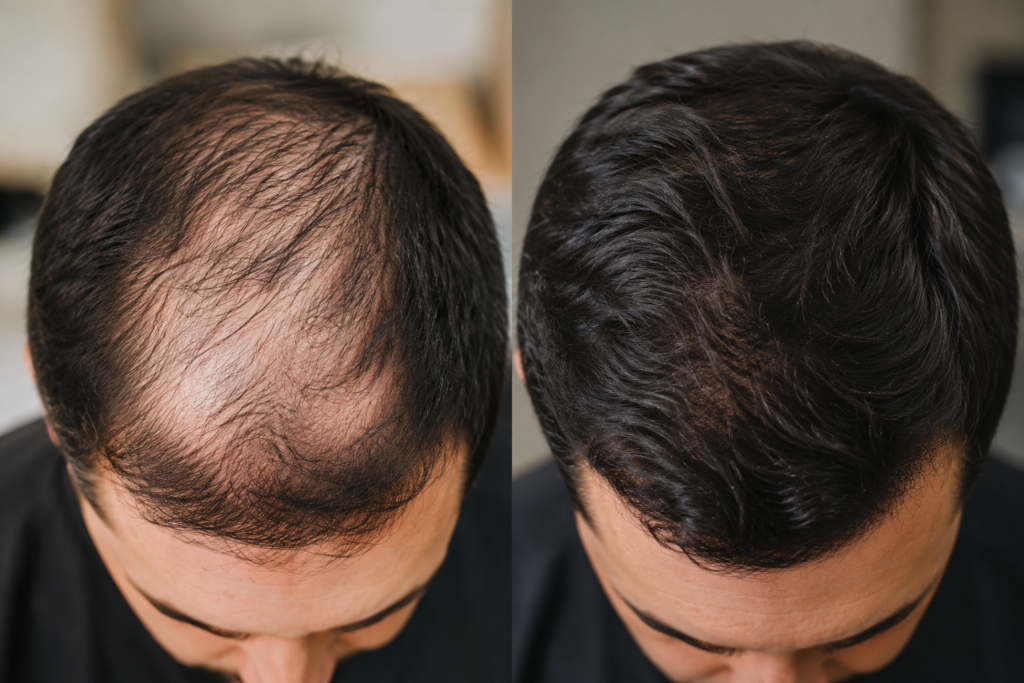
This depends on the cause.
Temporary Hair Loss
Hair loss caused by stress, poor diet, or illness can sometimes improve significantly.
Genetic Hair Loss
Genetic thinning is harder to reverse completely, but many treatments can slow progression and improve appearance.
The key is early action.
How Long Does Hair Treatment Take?
Hair growth is slow.
Most people need:
- 2–3 months for reduced shedding
- 4–6 months for visible improvement
- 6–12 months for noticeable thickness changes
Patience is critical.
Choosing the Right Hair Support Product
Not all products are equal.
When searching for an effective support option, prioritize:
- Clinically researched ingredients
- Transparent labeling
- Gentle formulas
- Positive user experiences
- Scalp-friendly ingredients
Many users prefer a trusted solution that focuses on long-term scalp health rather than unrealistic promises.
Lifestyle Habits That Protect Your Hair
Small daily habits matter more than people think.
Hair-Friendly Habits
- Eat enough protein
- Manage stress
- Exercise regularly
- Limit smoking
- Reduce excessive alcohol
- Protect hair from extreme heat
Healthy hair often reflects healthy living.
Conclusion
Hair loss can feel frustrating, emotional, and even embarrassing — but you’re definitely not alone. The important thing is understanding that thinning hair treatment for men works best when started early and approached consistently.
Instead of chasing miracle cures, focus on science-backed treatments, healthier habits, scalp care, and long-term consistency.
Small improvements today can make a major difference months from now.